ENGIpore


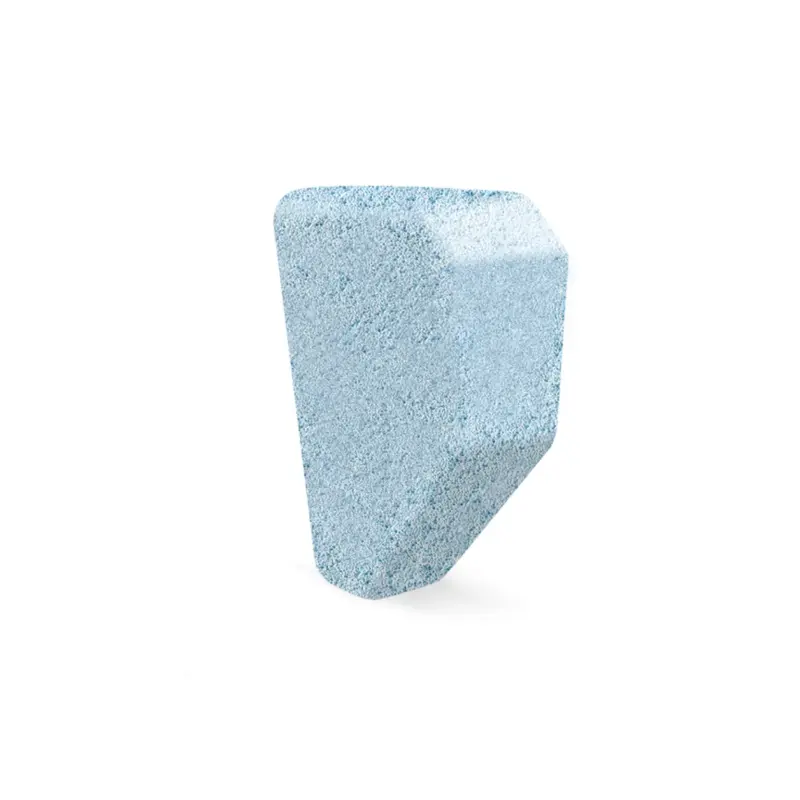
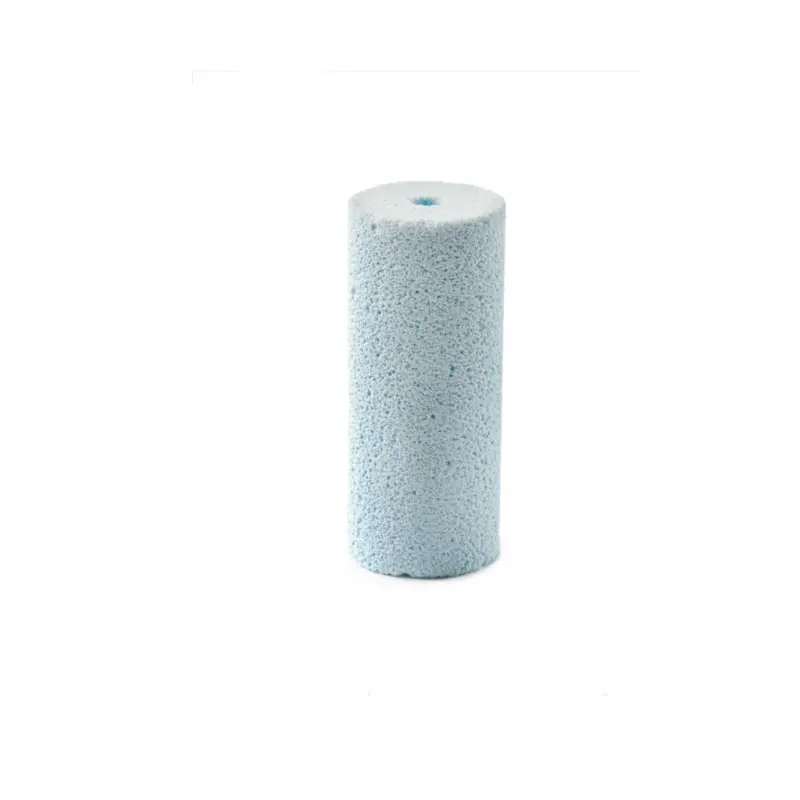
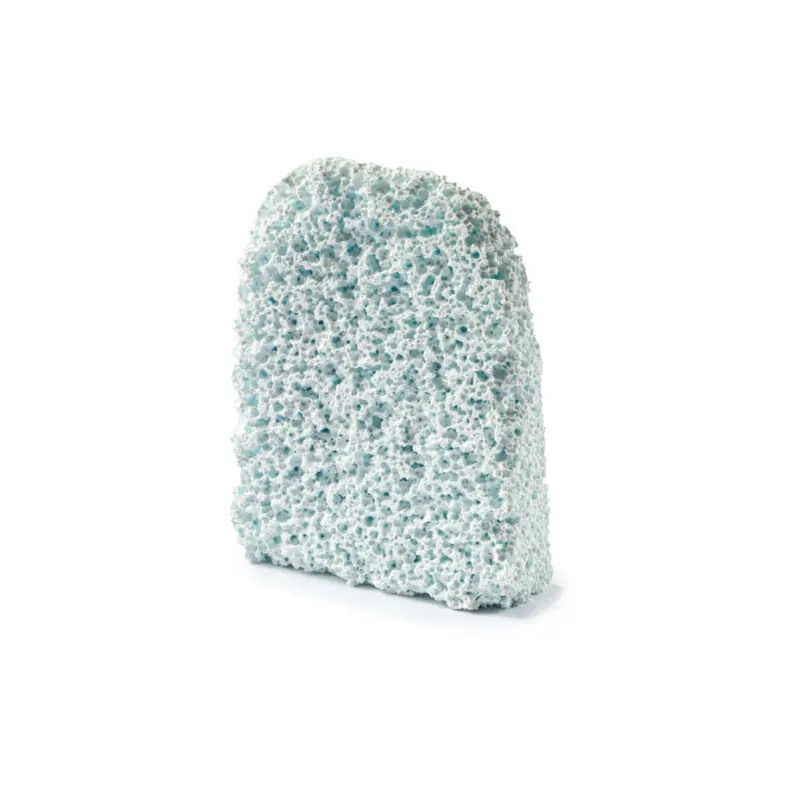
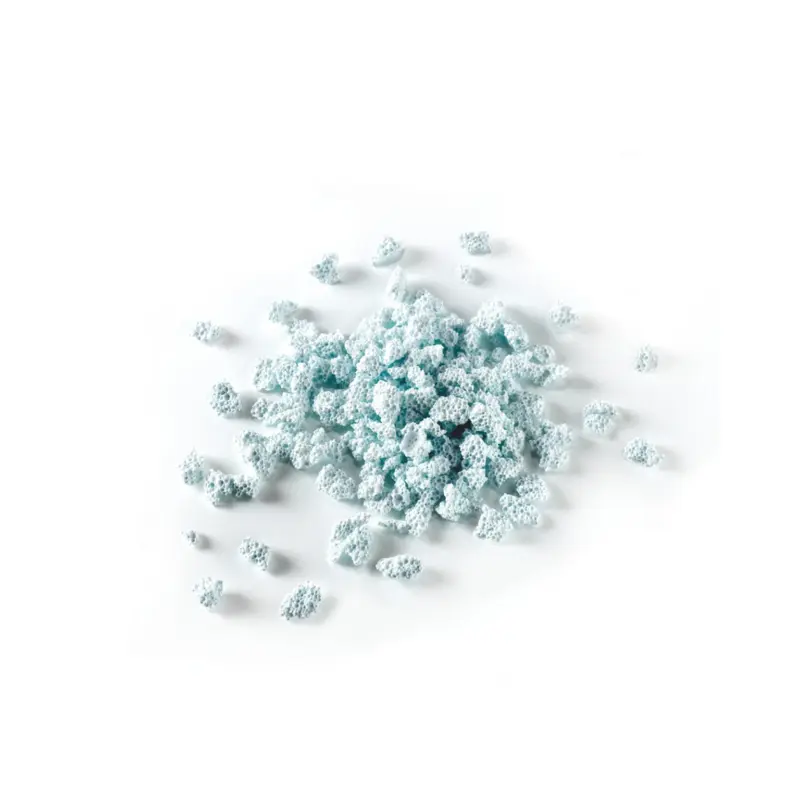

ENGIpore is an innovative porous hydroxyapatite biomaterial with a trabecular structure similar to that of natural bone. It is a ready available bone graft, manufactured to a highly controlled specification and free of disease transmission risk.
Different shapes have been designed to provide surgeons with a full range of products to meet their clinical needs.
Micro, macro and interconnected porosity
This biomaterial has a unique, controlled micro and macro porosity along with an effective structure that supports rapid bone ingrowth and formation.
Its unique structure gives ENGIpore a porosity of almost 90%, and this guarantees an easy access of cells, biological fluids, and attracting the correct molecules throughout the bone substitute.
Rapid osteointegration
Once applied in situ, ENGIpore rapidly absorbs all bio-active proteins, growth factors and bone precursor cells contained in the physiological fluids.
This encourages and begins the biological cascade leading to effective bone regeneration.
ENGlpore may be combined with autologous bone, blood, bone marrow or growth factors.
ENGIpore is not intended to modify or replace standard procedures for the treatment of bone defects, but for filling bony voids or gaps of the skeletal system, that are not intrinsic to the stability of the bony structure. It must be used with appropriate stabilising hardware.
ENGIpore
Macro-scale, scaffold-assisted model of the human bone marrow endosteal niche using hiPSC-vascularized osteoblastic organoids
Bone substitute porous hydroxyapatite in spine fusion: a narrative literature review and Authors' clinical experience
Macro-scale, scaffold-assisted model of the human bone marrow endosteal niche using hiPSC-vascularized osteoblastic organoids
Safety of porous hydroxyapatite bone substitute in Orthopedics and Traumatology: multicentric clinical study.
Critical evaluation of the scientific literature concerning bone graft alternatives in spinal surgery and focus on bioceramics.
Craniotomy Burr Hole Covers: A Comparative Study of Biomechanical, Radiological, and Aesthetic Outcomes Using 3 Different Plug Materials.
Synthetic Bone Grafting in Aseptic Loosening of Acetabular Cup: Good Clinical and Radiological Outcomes in Contained Bone Defects at Medium-Term Follow up.
Porous HA scaffolds capabilities to induce posterolateral and interbody fusion (arthrodesis): clinical and radiographic analysis at 4 years follow-up.
A Post-Market Surveillance Analysis of the safety of hydroxyapatite-derived products as bone graft extenders or substitutes for spine fusion.
Major bone defect treatment with an osteoconductive bone substitute.